
Immersion Pulmonary Oedema, often shortened to IPO, is an important diving safety subject that has received increasing attention in recent years. Although the condition was first reported in the 1980s, it was previously considered rare. Today, greater awareness within the diving community has shown that IPO may be a significant factor in some diving and snorkelling incidents.
IPO can affect scuba divers, snorkellers, open-water swimmers and anyone exposed to immersion in water. Because symptoms can develop quickly and may be confused with drowning, it is essential that divers, instructors, clubs and buddies understand the warning signs and know how to respond.
BSAC has highlighted IPO in diving incident reporting and continues to advise divers to seek medical advice after any suspected symptoms. DAN also advises that divers who experience sudden shortness of breath or persistent coughing during a dive should end the dive safely, breathe oxygen at the surface and postpone further diving until medical advice has been obtained.
What Is Immersion Pulmonary Oedema?
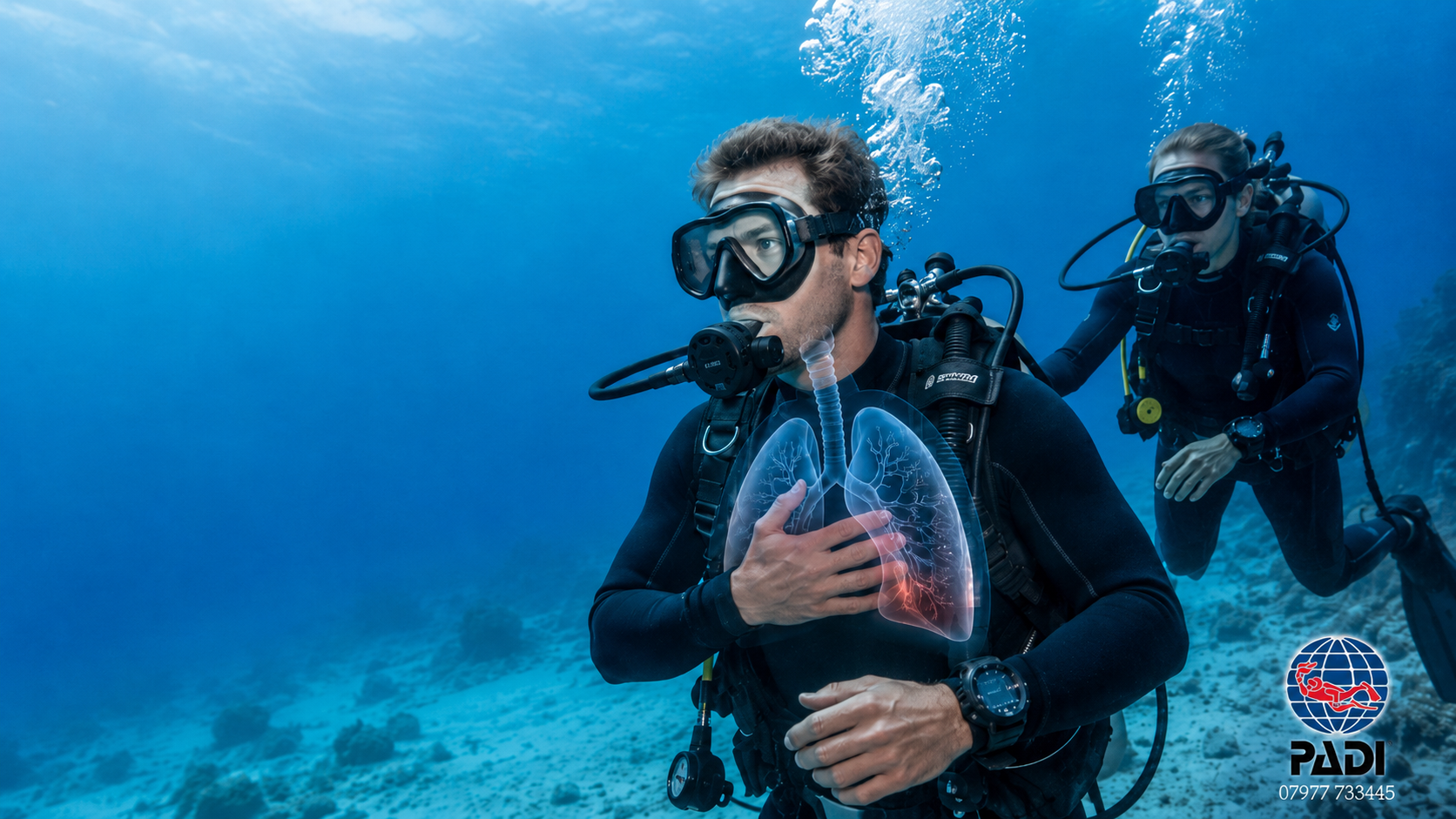
Immersion Pulmonary Oedema is a condition where fluid collects in the lungs during or after immersion in water. This fluid build-up can make breathing difficult and, in serious cases, may become life-threatening.
IPO is sometimes referred to as Immersion Pulmonary Edema or IPE, particularly in American medical literature. It may occur during scuba diving, snorkelling or strenuous open-water swimming.
One of the challenges with IPO is that it may appear similar to drowning because both can involve fluid in the lungs. However, IPO can develop even when a diver has not inhaled water.
Why Is IPO Important for Divers?
In recent years, diving organisations and medical experts have paid much closer attention to IPO because it has been identified in incident reports and medical assessments involving divers.
BSAC began highlighting the possibility of IPO within its Annual Diving Incident Reports from 2016 onwards. Dr Peter Wilmshurst has also presented on the subject at BSAC Diving Conferences, helping to raise awareness among divers, instructors and medical professionals.
Some divers involved in incidents have survived after recognising symptoms early, leaving the water quickly and attending hospital. This highlights a crucial point: early recognition and rapid action can save lives.
What Causes Immersion Pulmonary Oedema?
When a person is immersed in water, hydrostatic pressure affects the body. This pressure compresses the veins in the legs and pushes blood centrally towards the chest.
As more blood moves into the chest, pressure can increase within the small blood vessels around the lungs. In some circumstances, this pressure may cause fluid to leak into the air spaces of the lungs, making breathing more difficult.
Several factors may increase the risk of IPO, including:
- High blood pressure or poorly controlled hypertension
- Cold water immersion
- Tight exposure suits or restrictive equipment
- Overhydration before entering the water
- Strenuous exercise during the dive
- Stress, anxiety or heavy workload underwater
- Fighting currents or attempting a demanding rescue
- Underlying heart or circulatory conditions
High blood pressure has long been recognised as a risk factor, which is why it appears on diving medical screening forms. More recent understanding also suggests that very strenuous exercise can contribute to IPO, even in fit individuals. The UKDMC notes that IPO may recur and that affected divers require specialist medical assessment before any return to diving is considered.
How Divers Can Reduce the Risk of IPO
It is not always possible to completely eliminate the risk of IPO, but divers can take sensible steps to reduce risk.
1. Manage Blood Pressure
Divers with high blood pressure should seek advice from a diving medical referee or doctor experienced in diving medicine. Blood pressure should be properly controlled before diving.
2. Avoid Overhydration
Divers should remain normally hydrated but should not drink excessive amounts of fluid immediately before a dive. Overhydration may increase central blood volume and could contribute to the risk of IPO.
3. Avoid Extreme Exertion
Where possible, divers should avoid dives that are likely to involve heavy workload, strong currents, long surface swims or demanding physical effort.
4. Plan Conservative Dives
Good planning reduces stress and workload. Divers should consider conditions, current, water temperature, entry and exit points, buddy support, gas supply and emergency procedures.
5. Check Equipment Fit
Overly tight wetsuits, drysuits or restrictive equipment may add to the physical stress of immersion. Equipment should fit properly and allow comfortable breathing and movement.
Signs and Symptoms of IPO in Divers
IPO can develop during a dive or at the surface. Divers, instructors and buddies should be alert to unusual breathing difficulty, especially when the diver has not been exercising heavily.
Possible signs of IPO include:
- Sudden shortness of breath underwater
- Rapid, heavy, uneven or laboured breathing
- Persistent coughing
- Coughing up frothy or blood-stained fluid
- Chest tightness or discomfort
- Confusion or unusual behaviour
- Swimming in the wrong direction or appearing disorientated
- Difficulty carrying out normal diving tasks
- Appearing focused only on breathing
- Believing the regulator is not working correctly
- Signalling “out of gas” when gas supply and regulator function are normal
- Refusing or rejecting an alternate air source
- Breathing difficulty continuing at the surface
These symptoms should always be treated seriously. IPO can progress quickly, and a diver may deteriorate if they remain in the water.
What To Do If IPO Is Suspected
If you experience breathing difficulty underwater, the safest response is to end the dive immediately, ascend safely and exit the water as soon as possible.
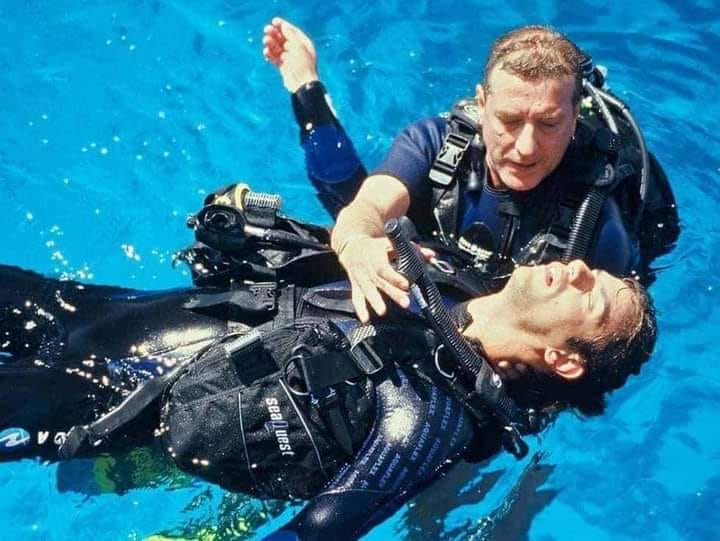
If you recognise possible IPO symptoms in your buddy, assist them out of the water as quickly as it is safe to do so.
Once the casualty is out of the water:
- Sit them upright if conscious
- Administer oxygen if available and you are trained to do so
- Keep them warm
- Keep them calm
- Do not give fluids
- Seek urgent medical advice
- Call emergency services if symptoms are significant or worsening
BSAC guidance states that a diver with breathing difficulties should terminate the dive, ascend safely and exit the water. DAN also recommends 100% oxygen at the surface and postponing further diving until a physician has been consulted.
Why IPO Can Be Mistaken for Drowning
IPO and drowning may both involve fluid in the lungs, which means they can appear similar during an incident. A casualty may be breathless, coughing, distressed or unable to function normally.
However, IPO does not necessarily mean the diver has inhaled water. The fluid may come from the body’s own circulation due to pressure changes and cardiovascular strain during immersion.
From a first aid perspective, immediate care may be similar: remove the casualty from the water, support breathing, administer oxygen where appropriate, keep them warm and seek medical help.
Returning to Diving After IPO
A diver who has experienced suspected or confirmed IPO should not return to diving until they have been assessed by a doctor with experience in diving medicine.
This is extremely important because IPO can recur. Even mild symptoms may increase the risk of another episode during future immersion.
The UKDMC advises that return-to-diving decisions after IPO require careful medical assessment and, in some cases, specialist cardiac review. Some divers may be advised not to return to compressed gas diving, depending on their individual risk factors and medical findings.
It is also important to remember that IPO is linked to immersion, not only scuba diving. Affected individuals may need to avoid:
- Scuba diving
- Snorkelling
- Open-water swimming
- Strenuous swimming events
- Triathlon swim sections
- Other high-exertion water activities
Medical advice should always be obtained before returning to any in-water activity.
Key Safety Message for Divers
Immersion Pulmonary Oedema is a serious condition that every diver should understand. It may occur suddenly, may be confused with drowning and can affect experienced, fit divers as well as those with known risk factors.
The most important safety points are:
- Do not ignore breathing difficulty underwater
- End the dive safely if symptoms appear
- Assist your buddy out of the water if IPO is suspected
- Use oxygen where available and appropriate
- Seek medical advice after any suspected episode
- Do not return to diving until cleared by a diving medical professional
Awareness, early recognition and immediate action are vital. If in doubt, treat the situation seriously and get the diver out of the water safely.
Frequently Asked Questions About Immersion Pulmonary Oedema
What does IPO mean in diving?
IPO stands for Immersion Pulmonary Oedema. It is a condition where fluid collects in the lungs during immersion in water, causing breathing difficulty.
Is IPO the same as drowning?
No. IPO can look similar to drowning because both may involve fluid in the lungs, but IPO can happen without inhaling water.
Can fit divers suffer from IPO?
Yes. Although some medical conditions may increase the risk, IPO can also occur in fit individuals, especially during strenuous effort, cold-water immersion or stressful diving conditions.
What should I do if I become breathless underwater?
End the dive safely, ascend in a controlled manner and exit the water. Seek medical advice and do not dive again until assessed by a suitable medical professional.
Can I dive again after IPO?
You should not return to diving until you have been assessed by a diving doctor or medical referee familiar with IPO. Some divers may be advised not to return to compressed gas diving, depending on medical assessment.
Does IPO only happen to scuba divers?
No. IPO can also affect snorkellers, open-water swimmers and people taking part in strenuous water activities such as triathlons.
Medical Disclaimer
This article is for general diving safety awareness only and should not replace professional medical advice. Any diver who experiences suspected symptoms of Immersion Pulmonary Oedema should seek urgent medical guidance and consult a diving medical specialist before returning to the water.